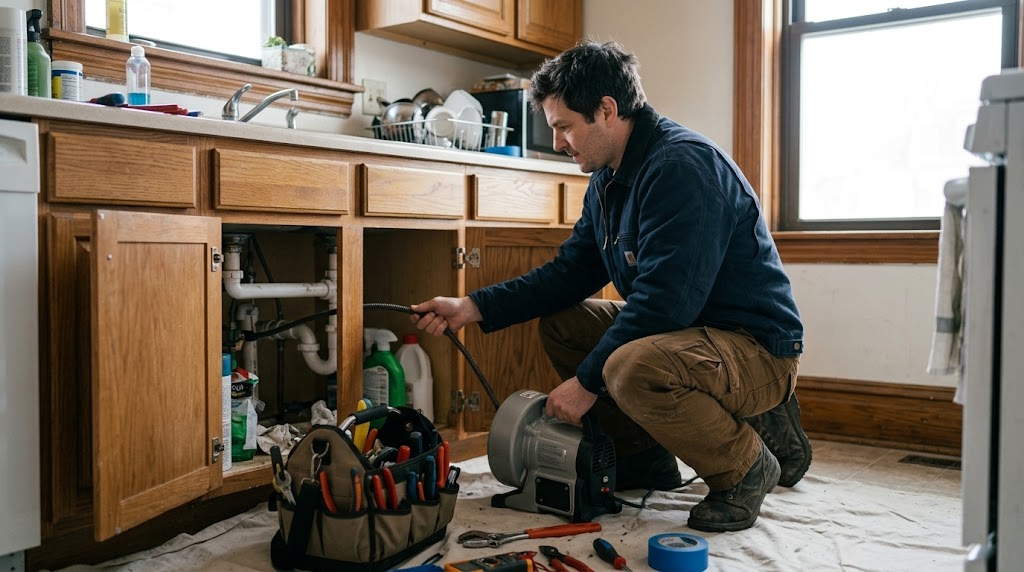
Professional Drain Cleaning in Parkchester, Bronx
Slow drains and unexpected wastewater backups create immediate sanitary disruptions in multi-family residential buildings. In the compact apartment layouts and co-op communities of Parkchester, Bronx, kitchen sinks, bathroom vanities, bathtubs, and toilets discharge into shared horizontal branch lines before joining vertical cast-iron soil stacks. Over years of domestic cooking, dishwashing, and bathing, coagulated cooking fats, soap scum, hair, and mineral scale build up on interior pipe walls, choking off flow.
At NY Plumbing, our technicians deliver comprehensive drain cleaning Parkchester Bronx services. From clearing a stubborn kitchen sink drain cleaning Parkchester Bronx stoppage to resolving an urgent clogged drain repair Parkchester Bronx emergency threatening to overflow into living spaces, we use commercial mechanical equipment to restore rapid drainage without damaging your pipes.
Common Causes of Blocked Drains in Parkchester Apartments
Drain clogs stem from specific biological, chemical, and physical factors inside older residential waste systems:
- Hardened Kitchen Grease & Oils: Fats, oils, and grease (FOG) poured down sinks solidify as they contact cold drainage piping, forming thick grease collars that trap food particles.
- Hair & Soap Scum Binding: Bathtub and shower drains collect hair fibers bound together by body wash and soap scum, creating dense, fibrous blockages at the crosshairs or P-trap.
- Internal Cast-Iron Scale: Aging cast-iron waste stacks develop rough, jagged internal rust blisters that catch paper and organic debris.
- Foreign Debris & Wipes: So-called "flushable" wet wipes, hygiene products, and paper towels snagging inside horizontal branch lines and triggering sudden backups.
- Aged or Misaligned Cleanouts: Corroded brass cleanout plugs leaking wastewater into utility shafts during backup events.
The Danger of Chemical Drain Openers
When drains slow down, many occupants reach for caustic chemical drain cleaners sold in retail stores. In multi-unit buildings with historic plumbing, these chemicals pose severe risks. Sulfuric acid and sodium hydroxide generate intense exothermic heat that warps PVC traps, eats through brass slip nuts, and accelerates corrosion in vintage cast-iron pipes. Furthermore, if the chemical fails to clear the stoppage, standing toxic caustic liquid remains trapped in the fixture, creating chemical-burn hazards for technicians performing mechanical repairs.
Our Step-by-Step Drain Cleaning Protocol
We rely on safe, mechanical drain cleaning techniques tailored to the specific fixture and pipe type:
1. Fixture & Trap Inspection: We begin by examining the fixture's mechanical pop-up assembly, strainer basket, and accessible P-trap to clear localized obstructions.
2. Cleanout Access: Where appropriate, we access the dedicated cleanout fitting on the branch drain to bypass decorative fixtures and feed equipment directly into the primary waste arm.
3. Motorized Mechanical Snaking: Utilizing professional continuous-cable drum machines equipped with specialized rooter and grease-cutting blades, we feed the cable through the line, spinning at high torque to scrape the inner walls clean.
4. Hydraulic Flow Testing: Following blockage clearance, we run sustained high-volume hot water through the branch to flush loosened sediment and verify free-flowing capacity.
5. Leak Inspection: Technicians inspect slip joints, trap connections, and cleanouts under active drainage to ensure no wastewater seepage occurs. If leaks are identified, we coordinate with our pipe leak repair specialists or check corresponding fixtures through toilet repair and faucet repair & fixture installation.
Maintenance Advice to Prevent Future Clogs
Simple daily practices help keep residential drains clear of obstructive buildup:
- Never pour cooking grease, bacon fat, or cooking oils down the kitchen sink. Collect fats in heat-safe containers and dispose of them in household trash.
- Use mesh drain strainers over shower and bathtub drains to catch hair before it enters the plumbing trap.
- Flush kitchen drains weekly with a gallon of near-boiling water to soften minor grease accumulations on pipe walls.
- Only flush toilet paper down the toilet—avoid flushing baby wipes, cleaning wipes, or personal care products, regardless of packaging claims.
When a Drain Clog Becomes an Emergency
If dirty wastewater backs up into your bathtub when an upstairs neighbor drains their sink, or if sewage begins pooling from your floor drain or toilet base, the building's vertical waste stack is choked. Stop using all water fixtures immediately to prevent sewage overflow, notify building management, and call our emergency team. For persistent moisture issues where water may have seeped under flooring, consult our leak detection specialists.
Frequently Asked Questions About Parkchester Drain Cleaning
Clear Your Drains in Parkchester, Bronx
Speak directly with our drain cleaning specialists to clear clogs, snake main waste lines, and restore smooth drainage.
📞 Call (315) 202-8009